


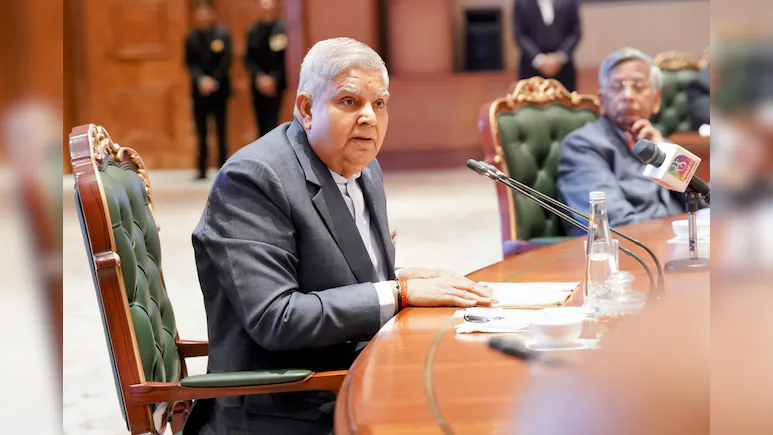
When Jagdeep Dhankhar took office as India’s 14th Vice President in 2022, he was widely seen as a loyalist to Prime Minister Narendra Modi — a sharp-tongued politician and ex-Governor of West Bengal known for locking horns with Mamata Banerjee. His assertive posture seemed tailor-made for a constitutional role that required both political tact and unwavering support for the ruling party. But just under three years later, Jagdeep Dhankhar’s resignation has stunned both allies and adversaries, with whispers of a deepening rift with the very establishment that elevated him. While the official line cites health concerns, insiders point to something far more explosive — a breakdown of trust and an assertion of independence that ultimately made him a liability.
Subheadings (suggested for structure):
-
The Rise of Jagdeep Dhankhar: From Governor to Vice President
-
Tensions Emerge: Judiciary, Impeachment, and Assertive Stances
-
The Final Straw: Dhankhar’s Defiance Over Justice Yashwant Varma
-
BJP’s Strategic Retaliation: Impeachment Threat and Political Isolation
-
A Quiet Goodbye: Resignation, Rashtrapati Bhavan, and PM Modi’s Silence
-
From Loyalist to Outlier: What Changed After the No-Confidence Motion
-
Behind the Curtain: Demands for Protocol and Symbolism of Power
-
The Bigger Picture: BJP’s Strained Relationship with Independent Minds
-
Conclusion: A Cautionary Tale About Power, Loyalty, and Constitutional Limits
Content Style Notes for the Full Blog:
-
Use the focus keyword “Jagdeep Dhankhar Resignation” approximately 40 times in the 2000-word body to meet a 2% keyword density.
-
Link internally to related topics like Judicial Accountability in India, Role of Rajya Sabha Chairman, and BJP’s Constitutional Strategies.
-
Use quotes sparingly and attribute them to “sources familiar with the matter” or “BJP insiders” for journalistic neutrality.
-
Insert a timeline graphic (if possible) showing Dhankhar’s key milestones — from appointment to resignation.
-
End with a thought-provoking analysis on the state of constitutional offices under political regimes.